Drone Spraying Reshapes Farming
Drone Spraying Reshapes Farming
Blog Article
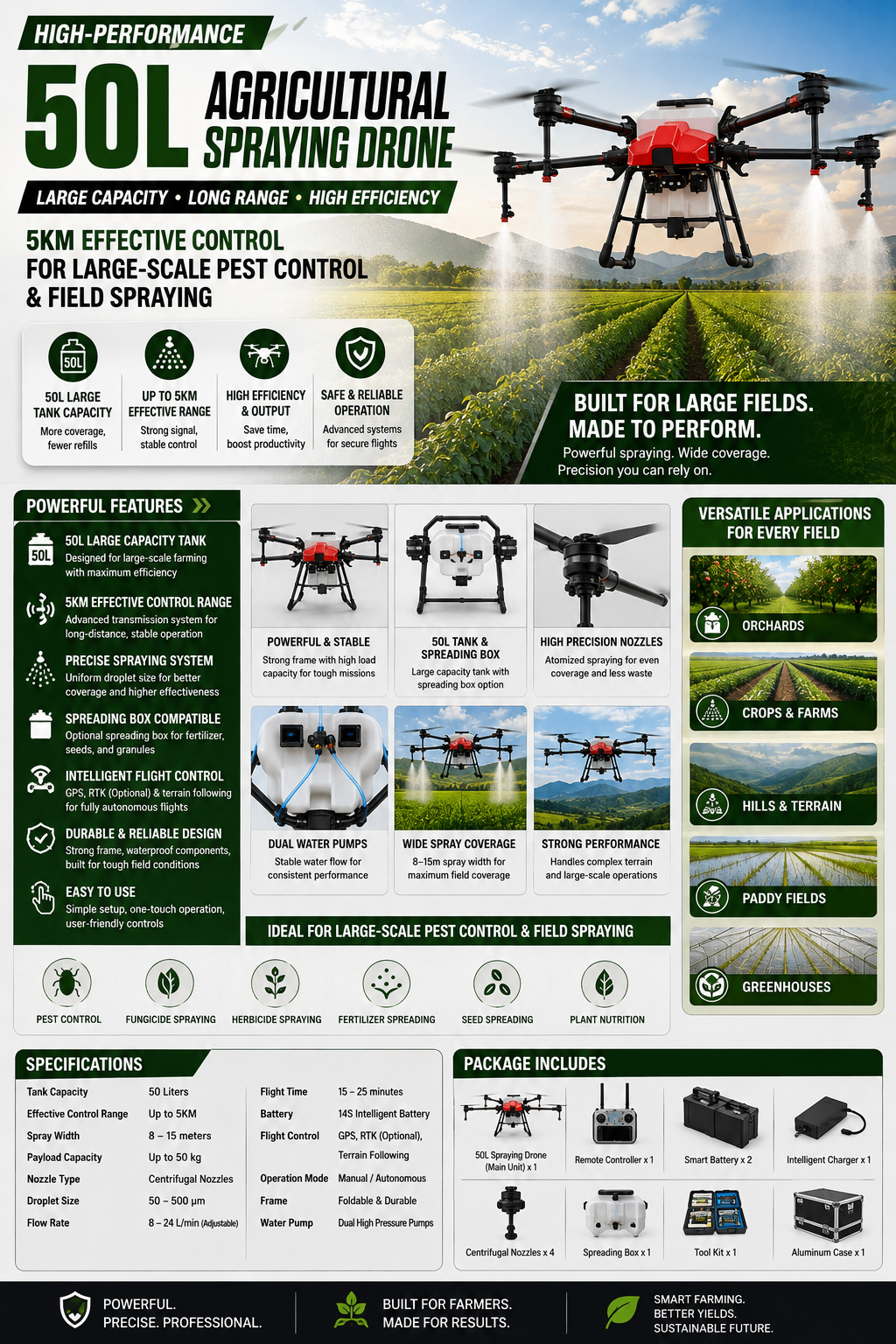
The agricultural industry is undergoing a dramatic change thanks to drone distribution technology. These robotic vehicles offer a precise approach to deliver fertilizers, lowering waste and optimizing output. Growers can now manage expansive plots more effectively, while also curtailing chemical effects . This cutting-edge system promises a more eco-friendly future for agricultural cultivation .
Smart Cultivation: Drones for Targeted Spraying
The increasing demand for produce is necessitating new techniques in agriculture. Unmanned Aerial Vehicles are rapidly becoming essential tools, particularly for targeted distribution of fertilizers. Instead of blanket applications, flying machines equipped with advanced sensors can map areas experiencing disease infestations or mineral deficiencies. This permits farmers to apply chemicals solely where they are needed, reducing environmental impact and optimizing harvest quality. Moreover, this approach supports in reducing costs and supporting eco-friendly land management methods.
- Minimizes herbicide dispersion
- Improves field output
- Encourages sustainable responsibility
Agricultural Drones with Application Tanks: A New Era of Productivity
The integration of drone for agricultural spraying remote-controlled drones equipped with application tanks is rapidly reshaping modern farming practices. These cutting-edge machines offer a major boost to efficiency by allowing for localized spreading of pesticides and other vital chemicals. Traditional methods are often costly and can result in uneven coverage, causing wasted resources and potential ecological impact. Drones, however, can easily survey areas, identify problem zones, and precisely dispense the required chemicals. Furthermore, the ability to operate during low-light conditions and move uneven terrain makes them a powerful tool for farmers of all scales.
- Minimizes chemical usage
- Improves plant production
- Delivers greater accuracy
- Reduces labor costs
Commercial Agricultural Drones: Boosting Crop Yields
The expanding adoption of agricultural UAVs is noticeably improving crop production for producers across the nation. These modern devices offer a suite of advantages, including accurate monitoring of field health, early identification of infestations, and efficient delivery of fertilizers. This technology-based strategy allows for reduced input expenses and greater overall productivity, ultimately resulting to a more eco-friendly and lucrative agricultural industry.
Boost Your Harvest Boost: The Development of Dispensing Aircraft
Farmers begin to adopt a revolutionary technology: applying aircraft. These remote-controlled machines offer a major advantage over conventional approaches for crop treatment. They are able to quicker distribution of chemicals, pesticides, and plant protection products, especially in hard-to-reach locations. Furthermore, they reduce workforce expenses and green effect by carefully targeting solely the problem areas.
- Increased performance
- Lowered expenses
- Superior accuracy
Crop Treatment: A Drone-Based Precision Approach
The traditional method of field treatment is undergoing a significant transformation, largely due to the adoption of drone systems . These unmanned aerial vehicles (UAVs) offer a innovative solution for delivering fertilizers with unparalleled precision . Instead of saturating entire fields, drones can selectively target weeds , minimizing chemical usage and decreasing environmental consequences . This data-driven approach enhances crop yields while also supporting more responsible farming practices .
Report this page